
15D vs. 20D Ripstop Nylon: Choosing the Right Lightweight Shell for Outerwear
Compare denier, tensile strength, and hand-feel. A practical guide for product developers selecting lightweight ripstop shells for technical activewear.
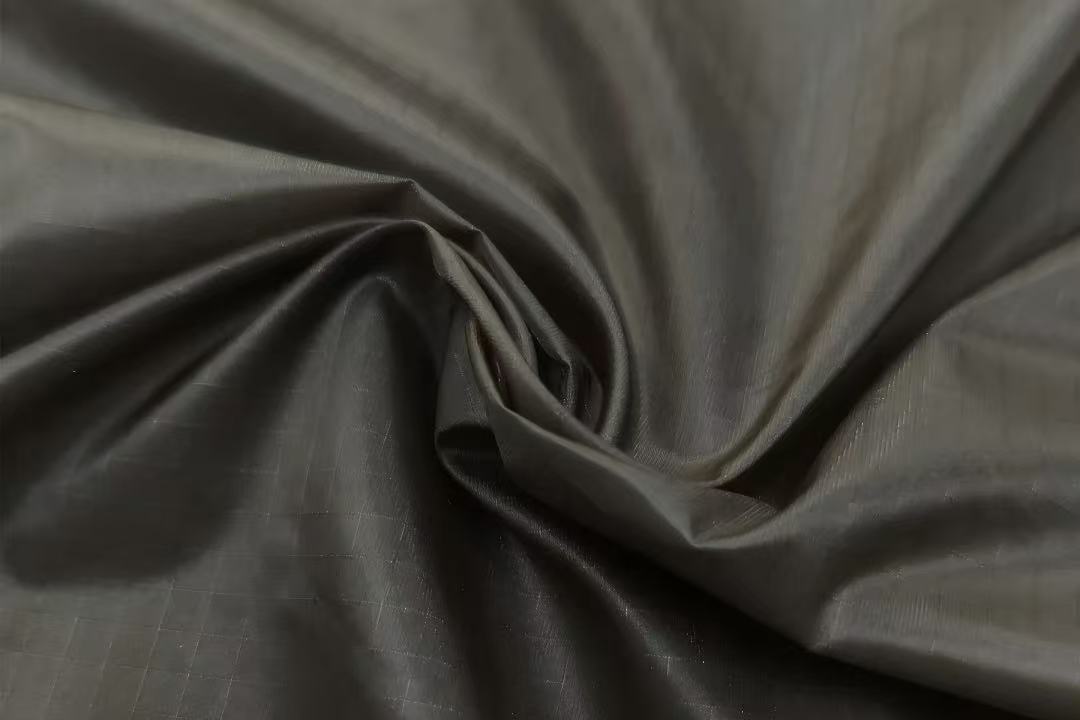
Start with the garment, not just the yarn count
Lightweight ripstop nylon is a common choice for wind shells, insulated jackets and technical activewear. When comparing 15D and 20D options, product developers often focus on weight and durability. Denier is an important starting point, but it does not by itself tell you the finished fabric's weight, tear strength, hand feel or water resistance.
What do 15D and 20D mean?
Denier measures yarn linear density: the mass in grams of 9,000 meters of yarn. A 15-denier yarn has a nominal mass of 15 grams per 9,000 meters; a 20-denier yarn has 20 grams per 9,000 meters. These figures describe yarn, not grams per square meter (GSM) of finished fabric. A fabric may also use different yarn specifications in the warp, weft and ripstop grid.
When comparing specifications, ask which yarns the quoted denier describes. Fabric weight depends on the whole construction, including yarn density, weave, coatings and finishes. A 15D fabric is not automatically lighter than every 20D fabric.
| Factor | 15D versus 20D: what to check |
|---|---|
| Yarn | Nominal linear density and yarn type in warp, weft and grid |
| Finished weight | Measured GSM after finishing, including coating or laminate |
| Strength | Agreed tensile, tear and seam tests in relevant directions |
| Hand feel | Compare actual finished samples for drape, noise and comfort |
| Protection | Test water resistance, breathability and wind resistance separately |
Ripstop, strength and durability
A ripstop weave incorporates a visible grid of reinforcing yarns. Grid spacing and yarn selection influence appearance and behavior, but the presence of a grid alone does not establish a tear-strength result. Nylon type, yarn construction, weave density and finishing also matter.
For a meaningful comparison, test the candidate fabrics using the same agreed methods and conditions. For example, ISO 13934-1 addresses maximum tensile force and elongation by the strip method. Tear performance and seam strength require their own appropriate methods. Choose targets based on the garment's use rather than assuming that 20D will always outperform 15D.
Hand feel, weather protection and finishing
Assess softness, drape, fabric noise and transparency in the intended color and finish. Calendering, durable water repellent finishes, coatings and membranes can change the fabric's feel and weight. Ripstop describes a weave; it does not, by itself, mean the material is waterproof or breathable.
For a rain shell, agree on water resistance and breathability targets for the finished construction. For an insulated jacket, include downproofness and seam behavior in the test plan. Where possible, evaluate performance after the care and use conditions relevant to the garment.
How to choose between samples
- Set the intended use, target finished GSM, width, color and hand feel.
- Request full yarn and construction details, not only the headline denier.
- Compare test reports for the same finished fabric, method and conditions.
- Review garment prototypes for abrasion exposure, seam performance and packability.
- Confirm available finishes, minimum order quantity, lead time and production tolerances.
Explore our lightweight fabric collection or send our team your target specification to discuss suitable samples.