
Why Woven Tube Fabrics Are Replacing Traditional Quilting in Winter Jackets
Discover how loom-crafted woven tube channels avoid quilting needle holes and may reduce down leakage and stitching-related thermal discontinuities in winter apparel.
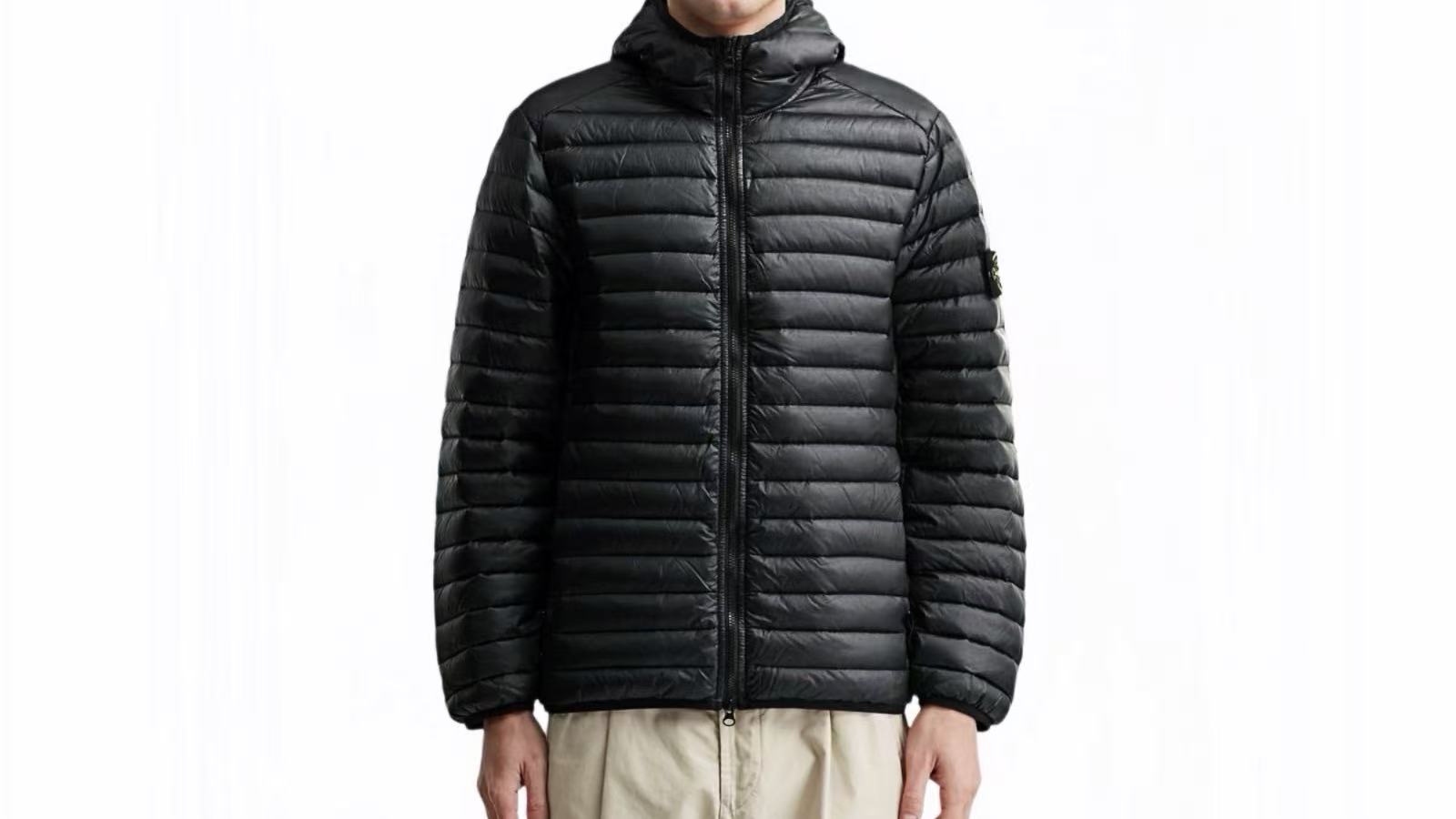
Why construction matters in a down jacket
For designers of premium winter jackets, insulation performance starts with more than the fill itself. The shell, lining, channel shape and assembly process all influence how a garment looks, feels and performs. Traditional sewn-through quilting and loom-woven tube fabric offer two different ways to keep insulation distributed across the garment.
Woven tube fabrics are gaining attention as an alternative for selected designs, especially when a clean surface and fewer quilting needle penetrations are priorities. They do not replace every quilting method: channel design, manufacturing equipment and the finished garment's target performance still determine the best choice.
How woven tube fabric creates channels
In conventional sewn-through quilting, separate layers are joined with stitches to form compartments. Each stitch passes through the fabric layers. In a woven tube construction, the upper and lower fabric layers are woven together at planned interlock areas and separate between them to create channels directly on the loom.
The woven interlocks define the channel geometry without sewing through the fabric to create each baffle. Garment assembly, closures and filling operations can still require seams or openings. The structure should therefore be assessed as one component of the complete garment, not as a guarantee of a seam-free jacket.
| Consideration | Sewn-through quilting | Loom-woven tube |
|---|---|---|
| Channel formation | Layers joined by stitching | Layers joined at woven interlocks |
| Quilting needle holes | Present along stitched baffles | Not needed to form the woven channels |
| Design development | Stitch pattern and assembly plan | Woven channel geometry and filling plan |
Down leakage, warmth and wind resistance
Removing the needle holes used for quilt lines can reduce potential escape routes for down and feathers. Actual downproofness also depends on yarn, weave density, finishing, filling material and garment seams. Request a test on the selected fabric and assess filled prototypes after wear and washing where relevant.
Stitched-through areas can compress insulation and create local thermal discontinuities. Woven tube construction changes the way channels are joined, but its interlocks and garment seams can also affect insulation. Compare complete prototypes under an agreed test method rather than assuming that any fabric eliminates cold spots or provides a particular warmth rating.
What to specify before ordering samples
- Channel geometry: preferred orientation, width and appearance, including acceptable variation.
- Fabric construction: composition, weight, width, hand feel and available color options.
- Filling and assembly: target fill type and quantity, filling access, seam design and compatibility with the production line.
- Performance: agreed downproof, wind resistance, durability and wash requirements for the intended end use.
From swatch to production decision
Start with an unfilled swatch to assess construction and hand feel, then review a filled sample and a garment prototype. Compare appearance, insulation distribution, seam behavior and production yield against a conventional alternative. Discuss minimum order quantity, development lead time and acceptable tolerances with your supplier before committing to bulk production.
Explore our woven tube fabric technology or discuss a development brief with our team.